Authors: María Luisa Vázquez de Ágredos Pascual, Cosmina Timoce-Mocanu
Scientific and documentary contributions: Lucian Cuibus, Miguel Álvarez Soaje
Digital editorial management: Simona Tardi
Photo credits: Teodora Prunduș, Măgura Ilvei (Bistrița-Năsăud)
June 24th: a day dedicated to flowers and ritual health
On June 24th, the Romanian folk calendar marks a festival known as Drăgacia (from the Bulgarian dragaika) in Muntenia, Dobrogea and southern Moldova, or Sânziene (from the Latin Sanctus Dies Iohannis) in Transylvania, Banat, Crişana, Maramureş, central and northern Moldova, and Oltenia.
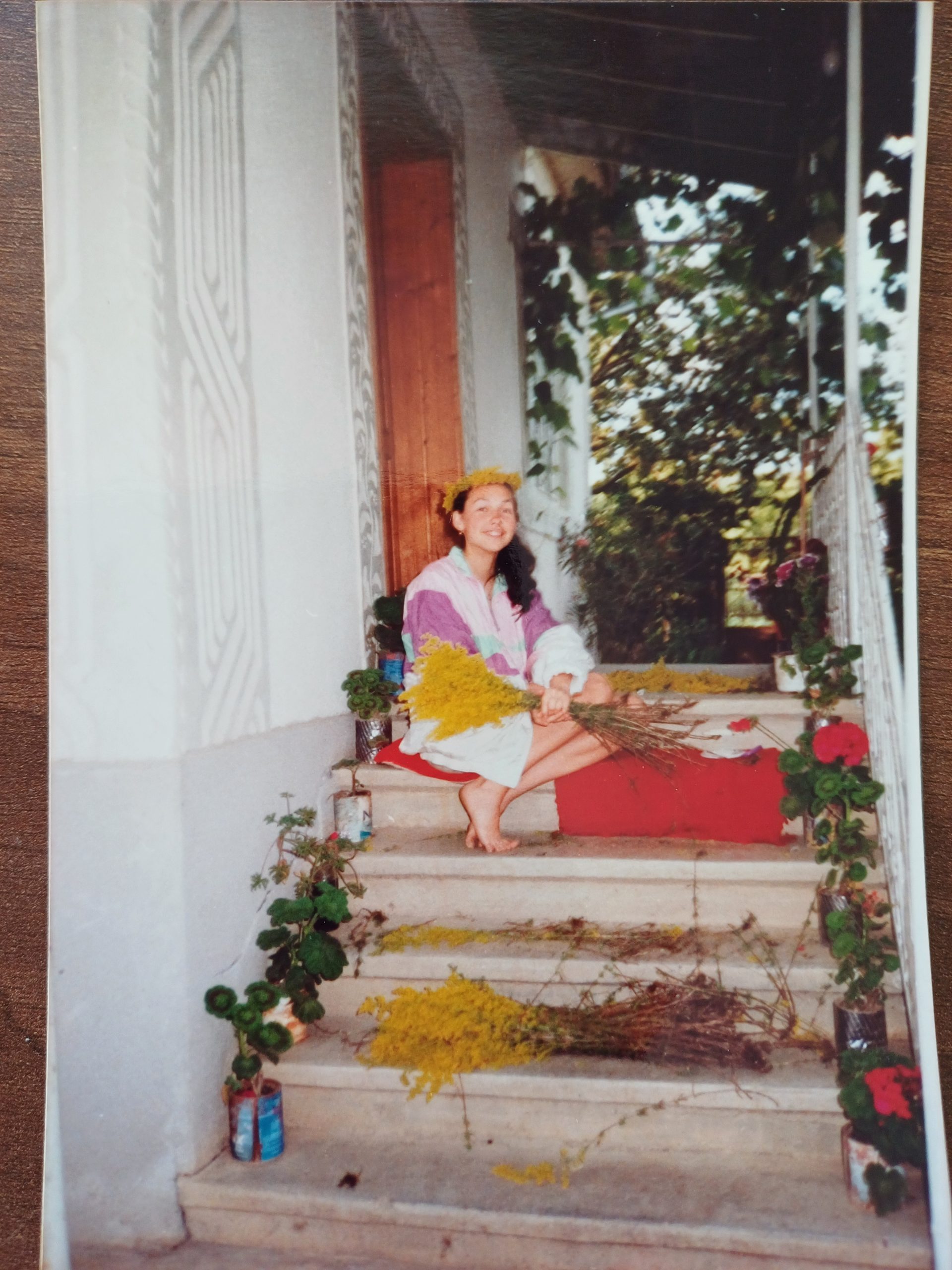
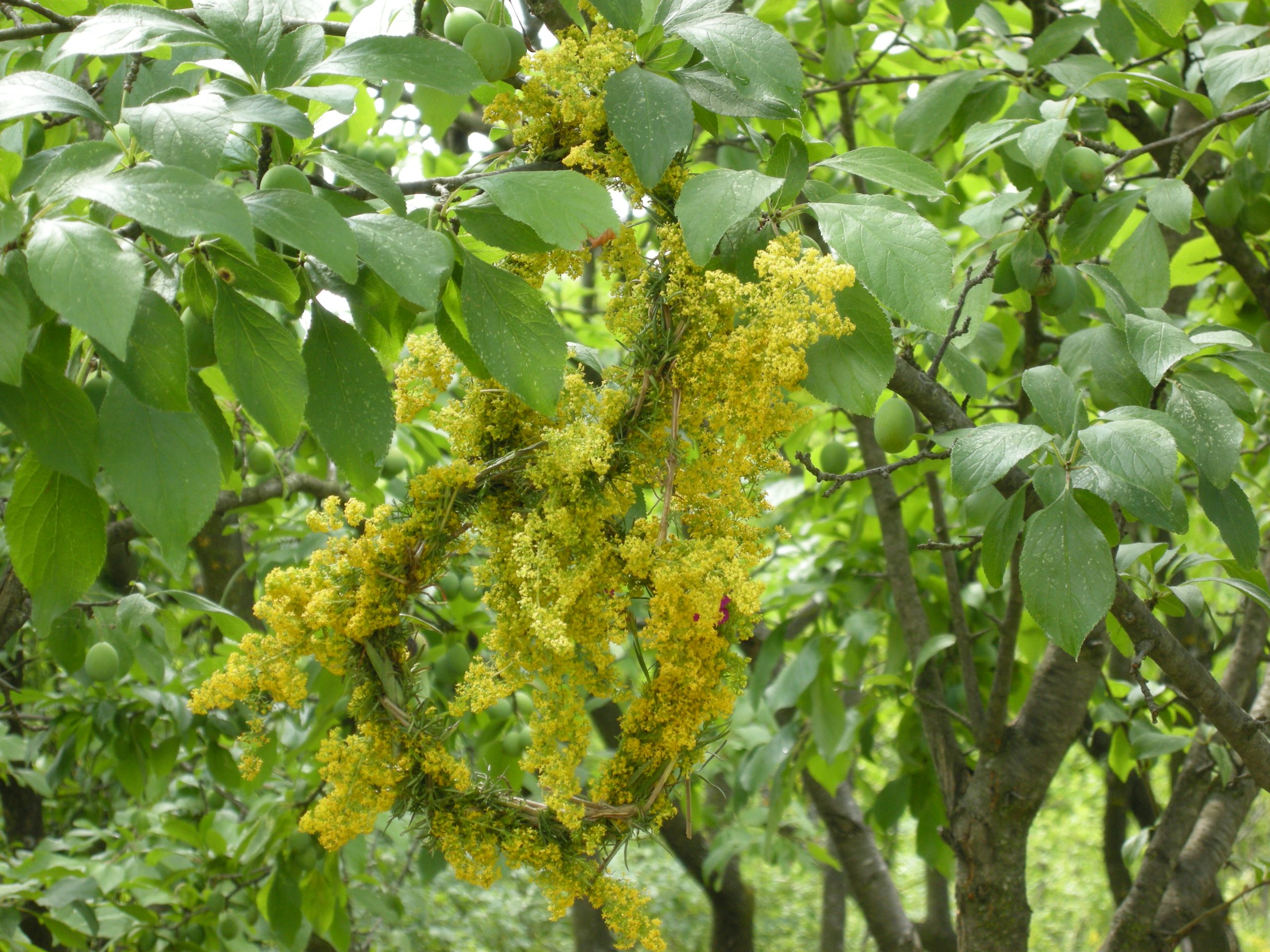
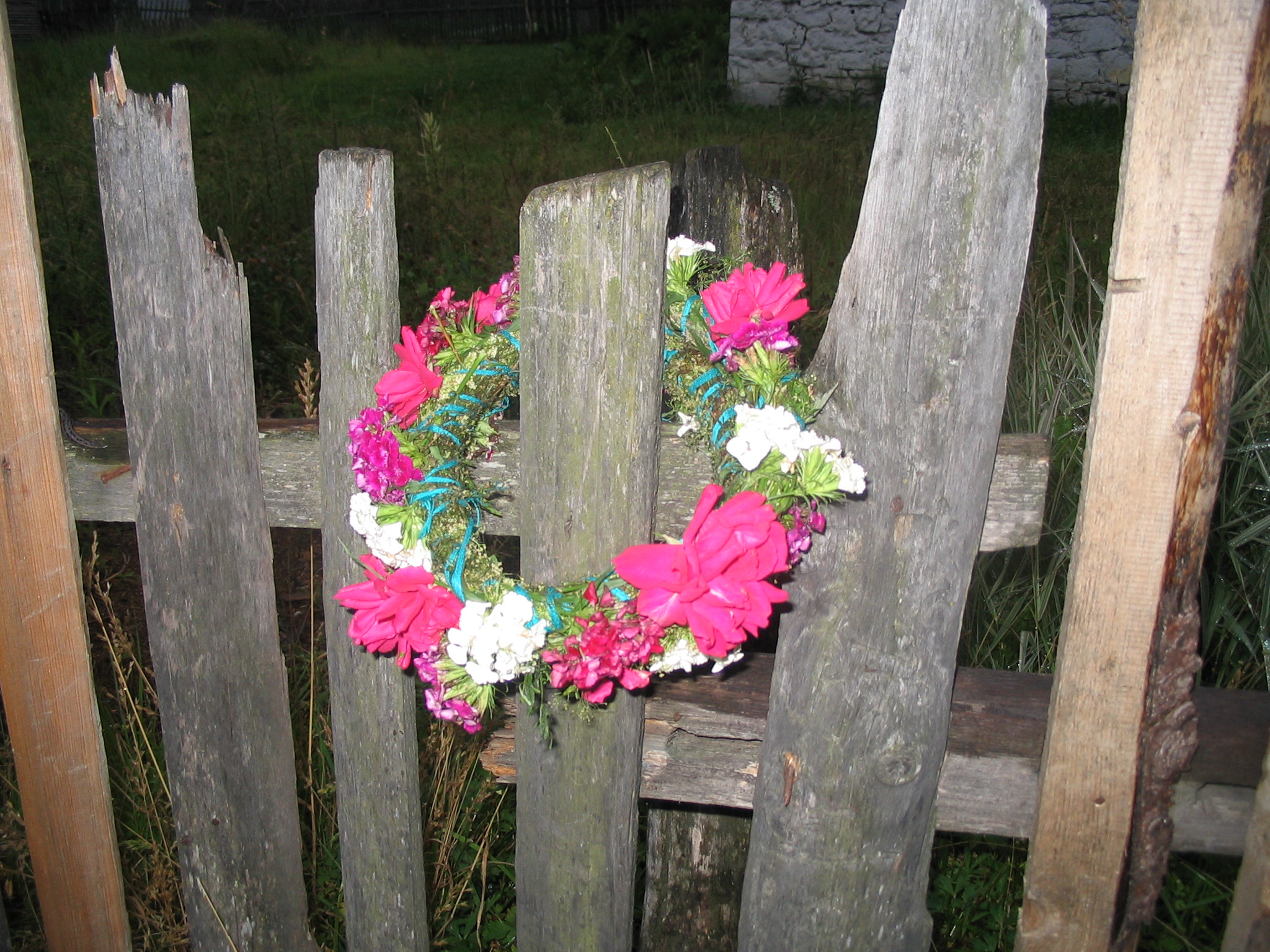
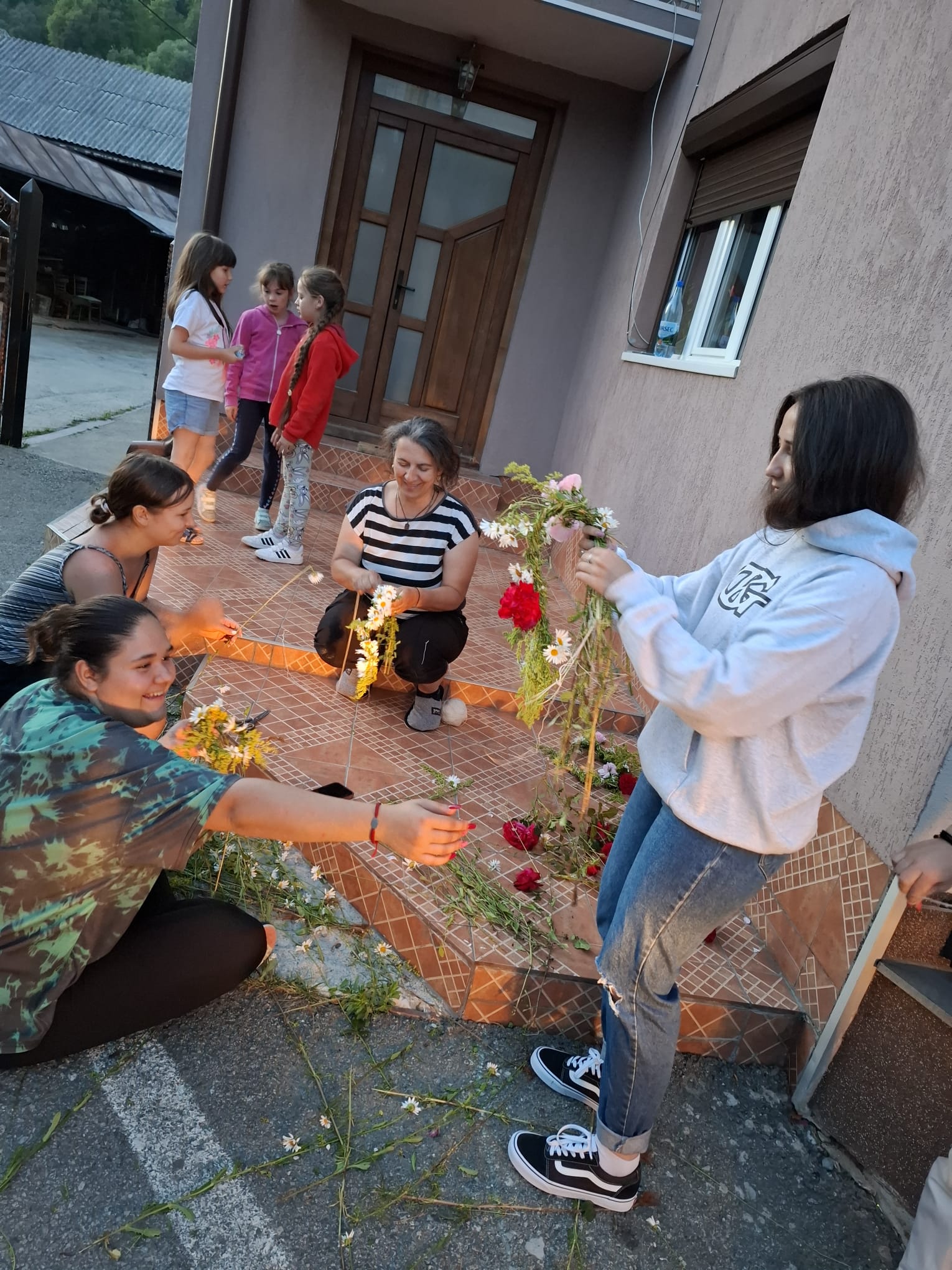
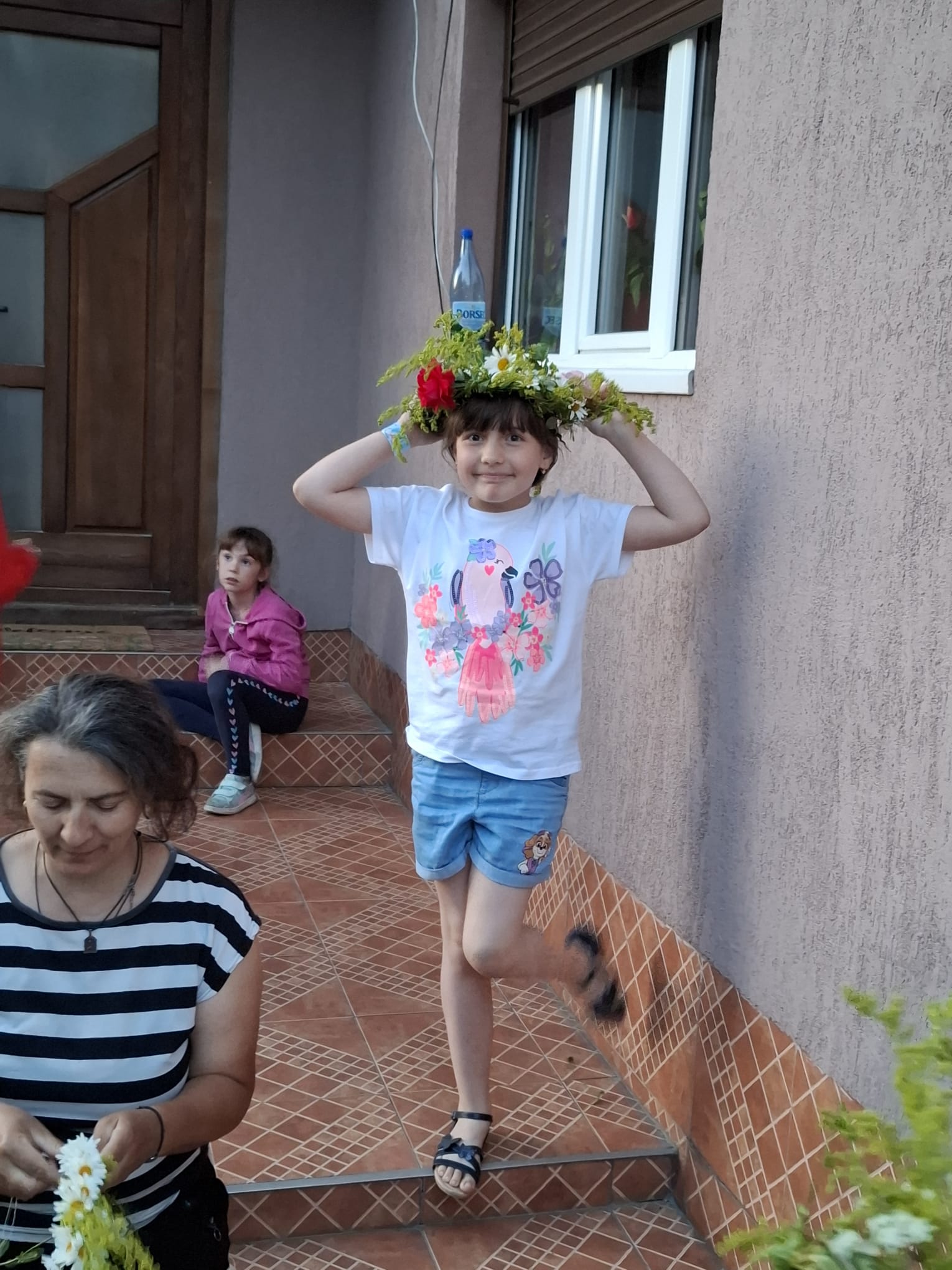
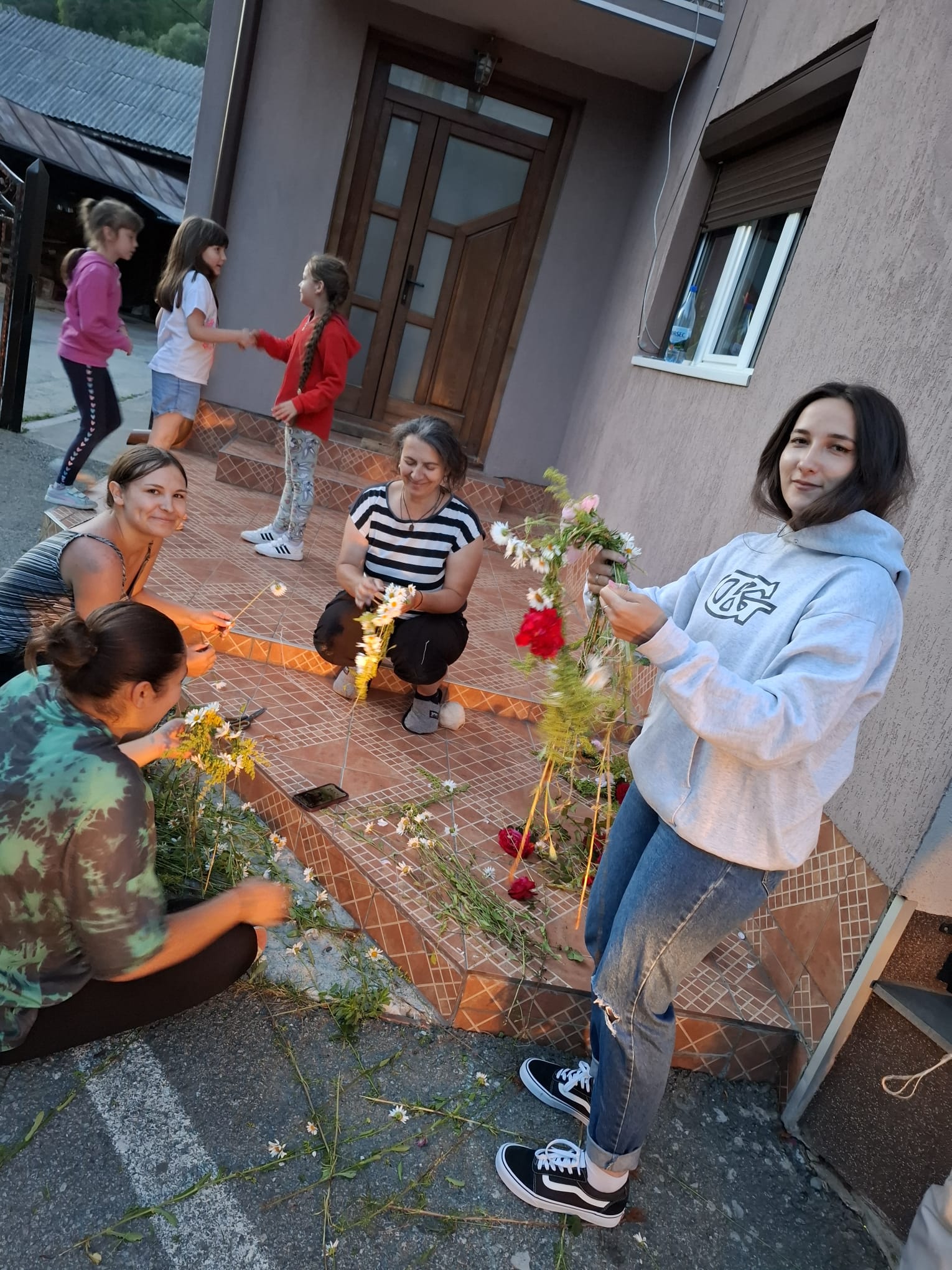
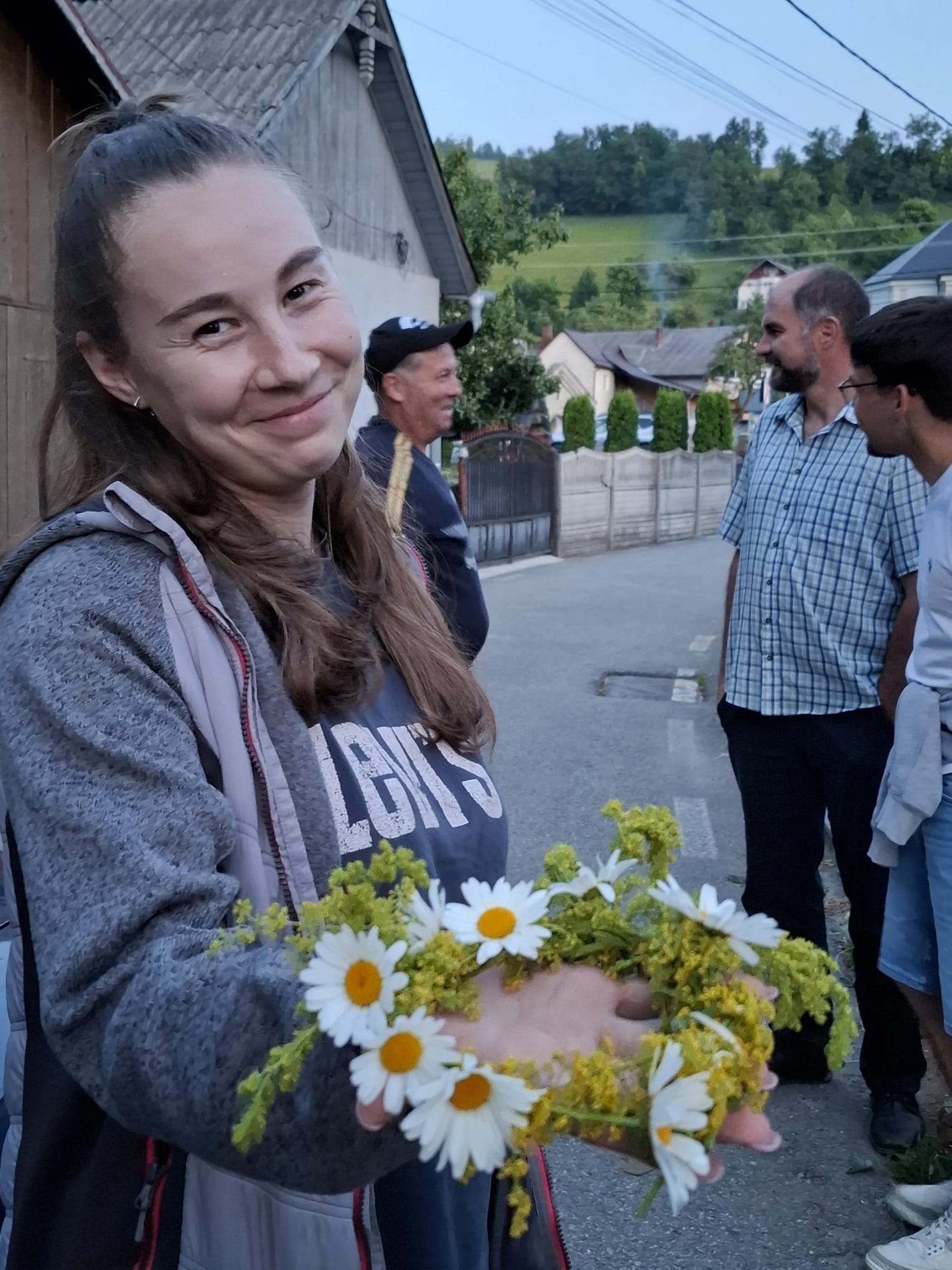
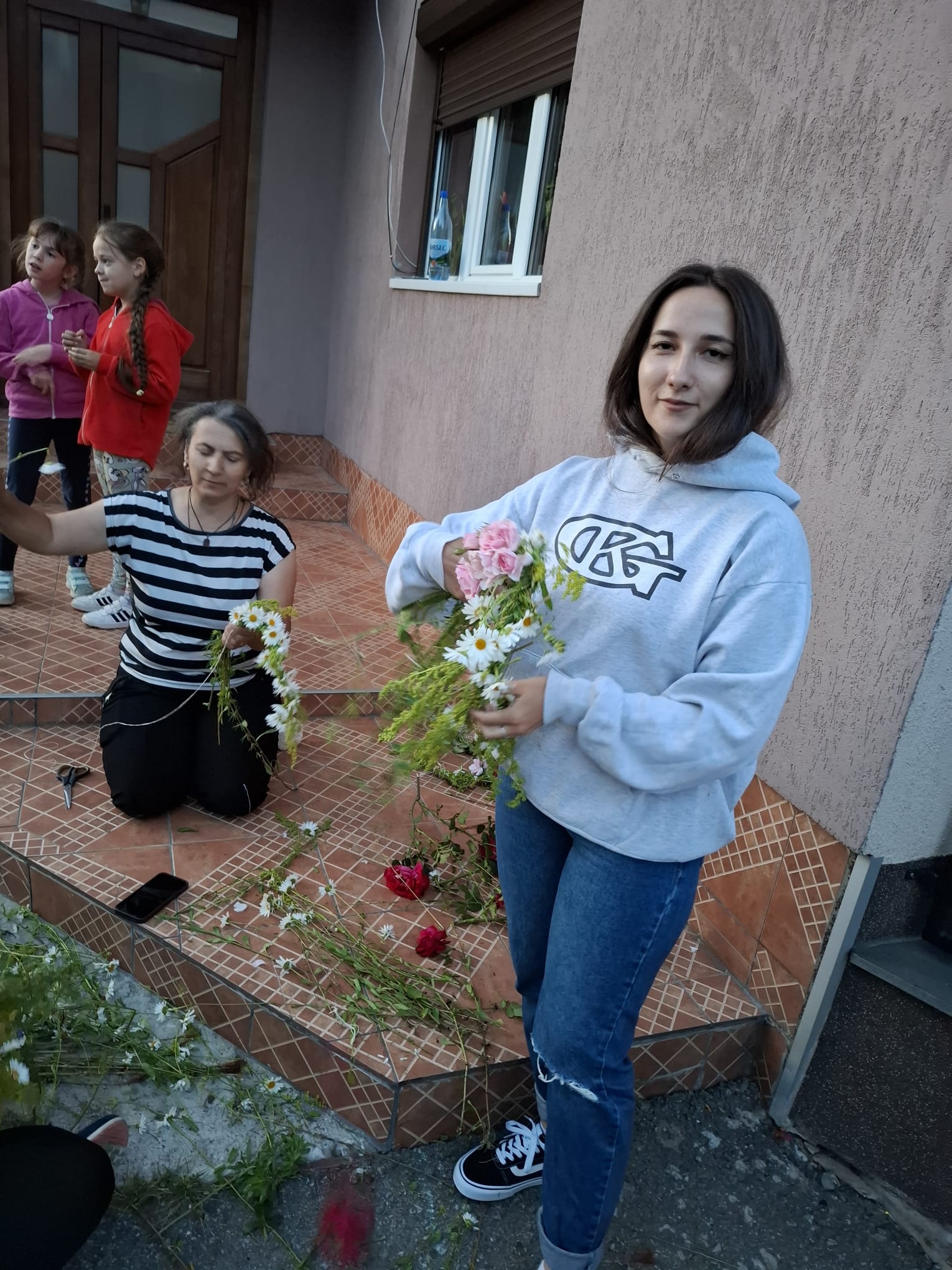
Despite regional differences in celebration, the core element of the festival is the gathering of herbaceous plants with golden yellow flowers (Galium verum L.) or white flowers (Galium mollugo L.), locally known as sânziene or St. John's flowers, used for ritual or therapeutic purposes. According to ancient beliefs, the magical and healing properties of these plants are attributed to their blooming during the summer solstice, when the sun rests in the sky and fairies dance across the fields, imbuing them with healing powers. In villages of northern and western Romania, on the afternoon of June 23rd, women and young girls would gather sânziene and weave them into crowns, which they used in various ways (thrown onto rooftops, placed on house eaves, in fields, or on the horns of cows and sheep) to foretell someone’s fate—life or death, marriage prospects, or future wealth (depending on the type of animal hair found in the flowers the next day).
Purifying fire and new urban forms of celebration
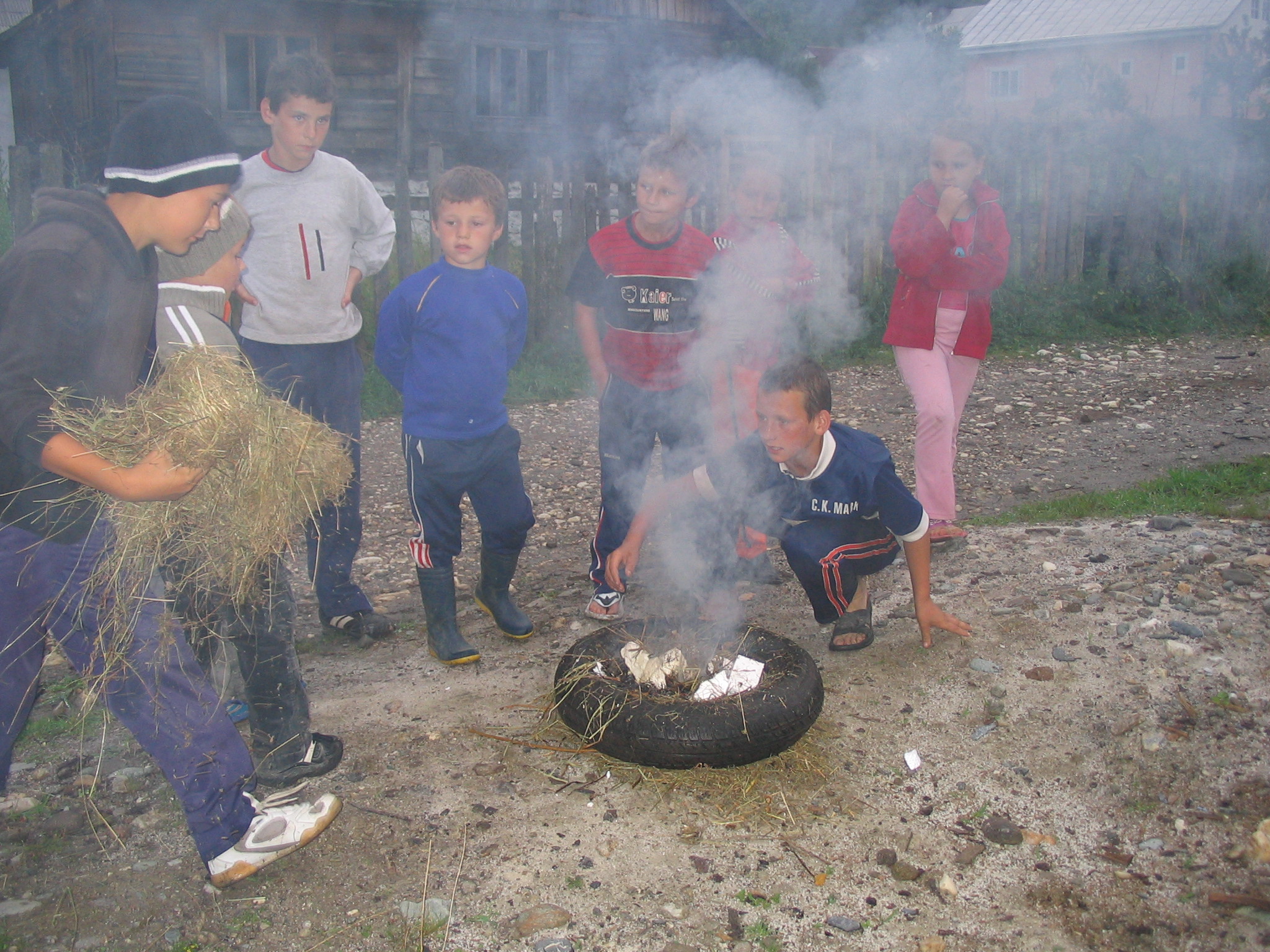
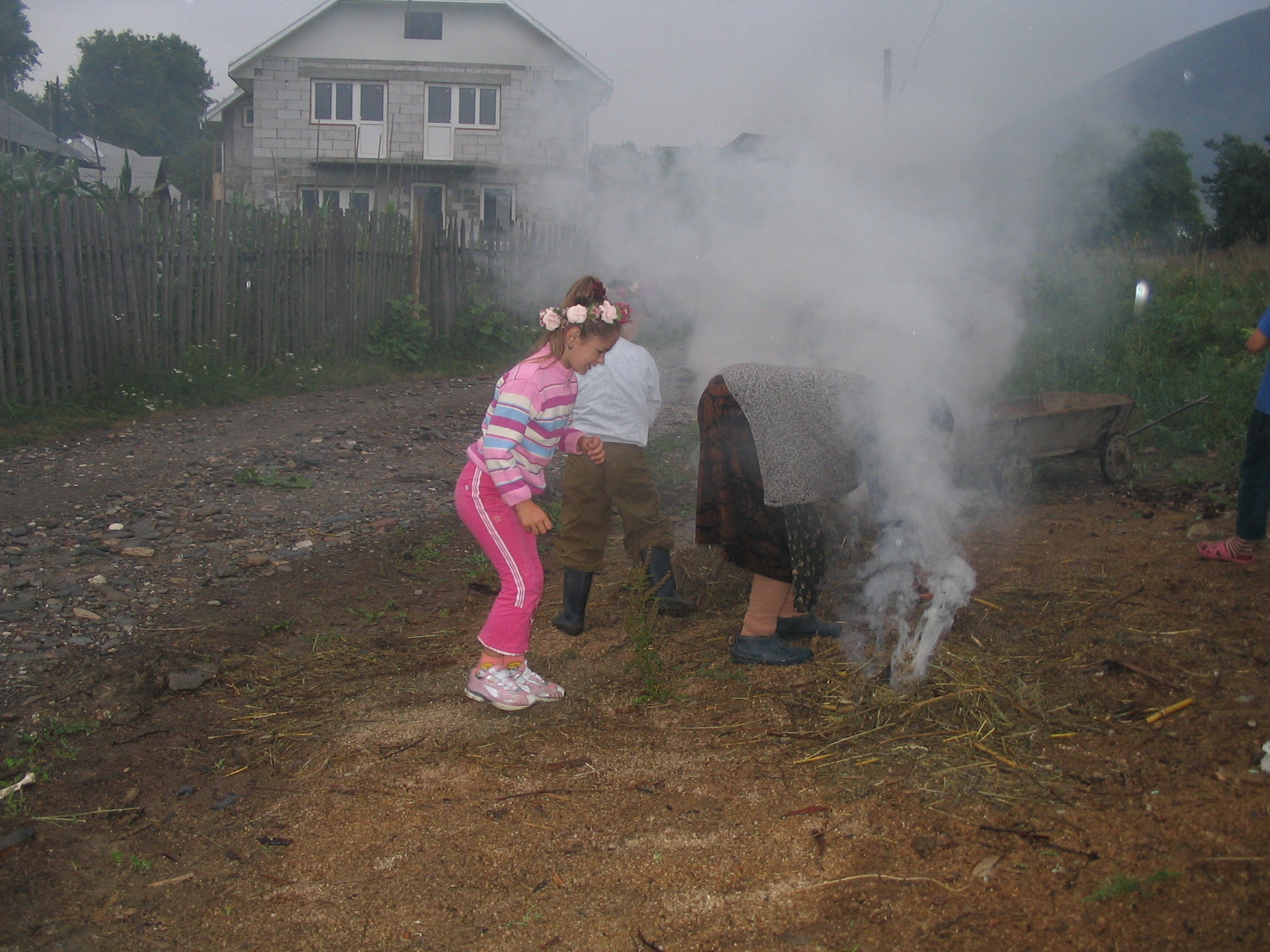
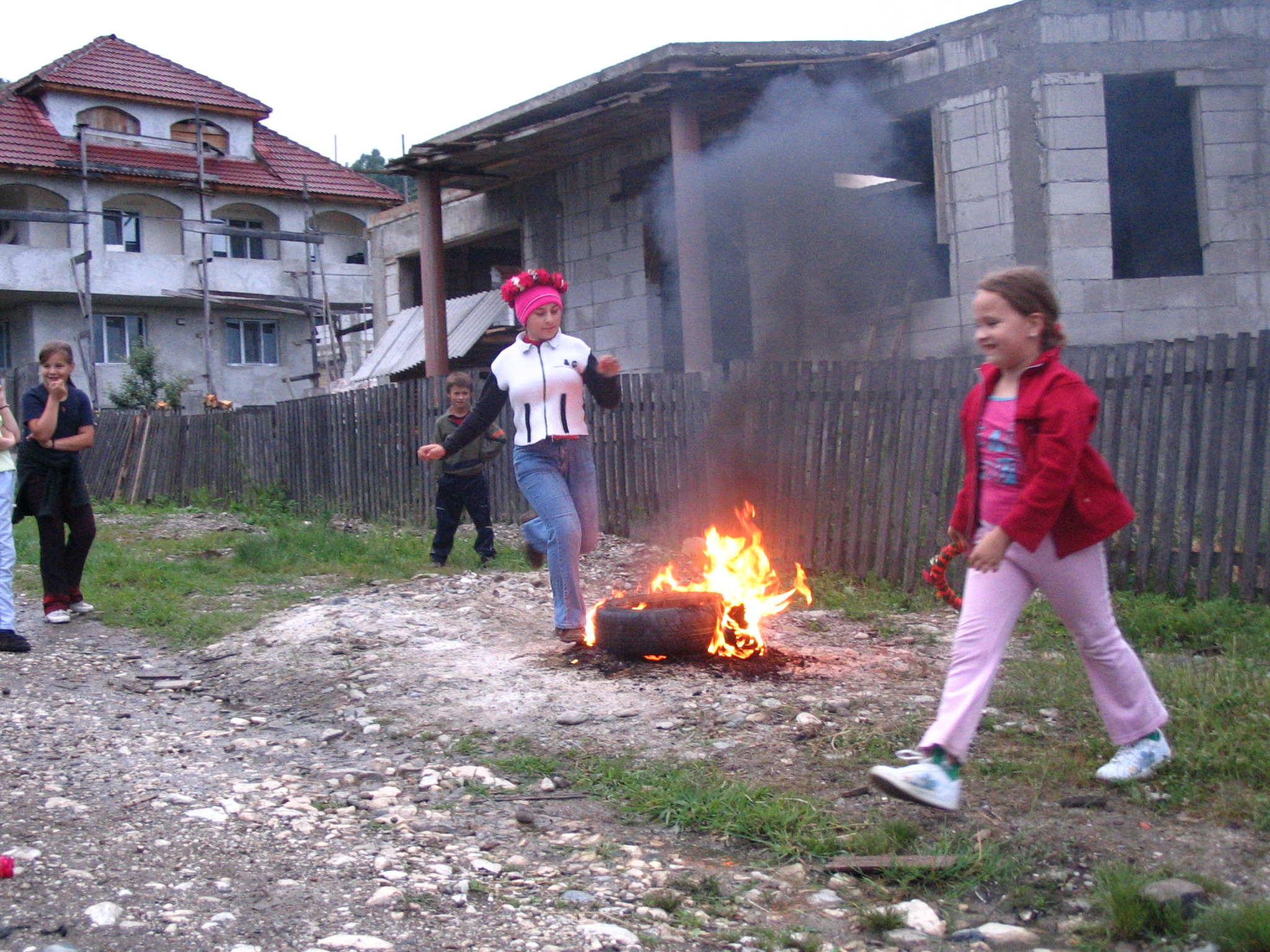
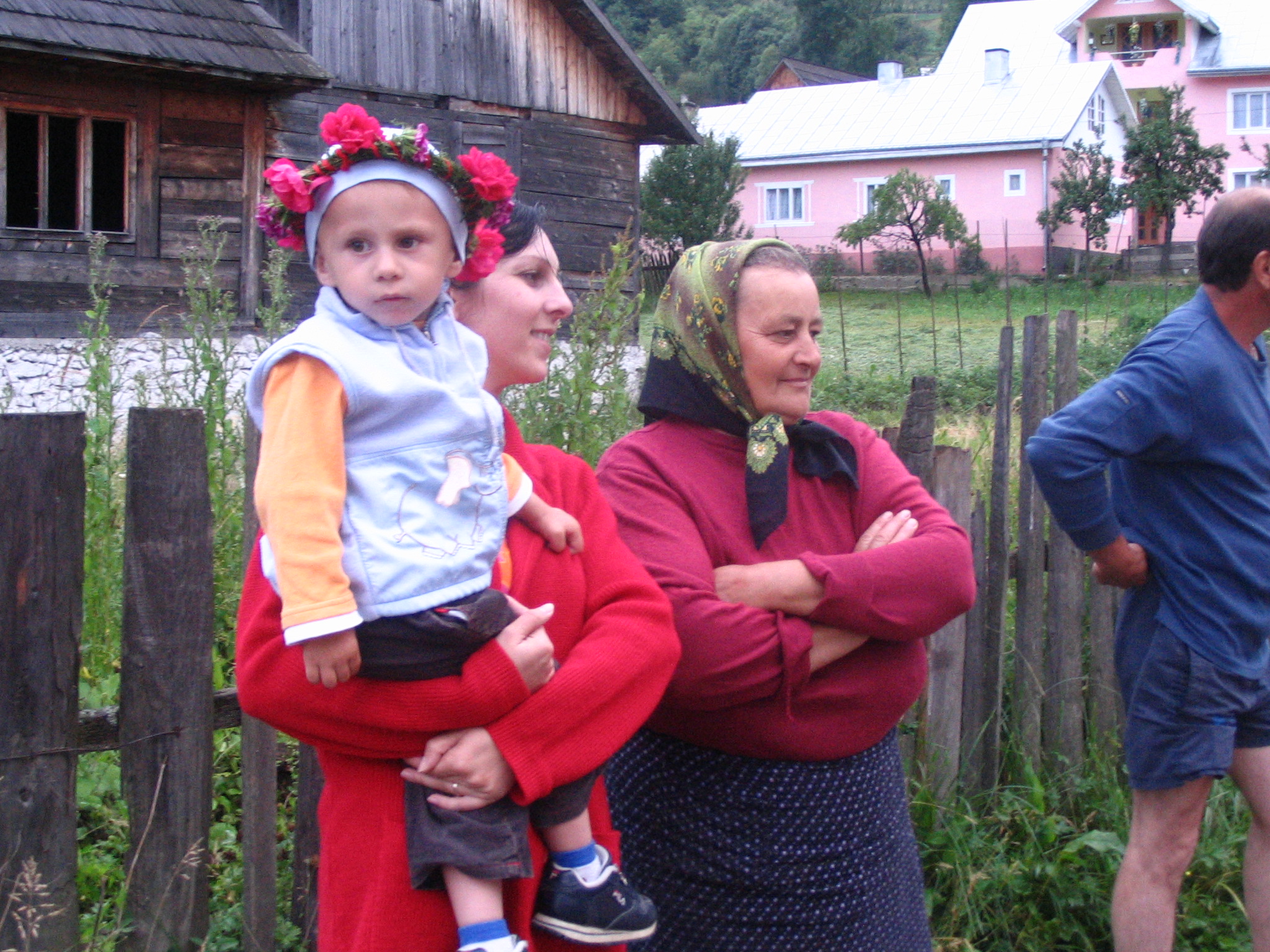
Another tradition linked to the summer solstice festival in many Romanian villages is the lighting of bonfires at night on hillsides and crossroads, believed to have purifying powers. For instance, in the village of Maieru (Bistrița-Năsăud), on the evening of June 23rd, children wearing crowns made of sânziene (Galium mollugo L.) and garden flowers jump over the flames to ensure good health for the coming year.
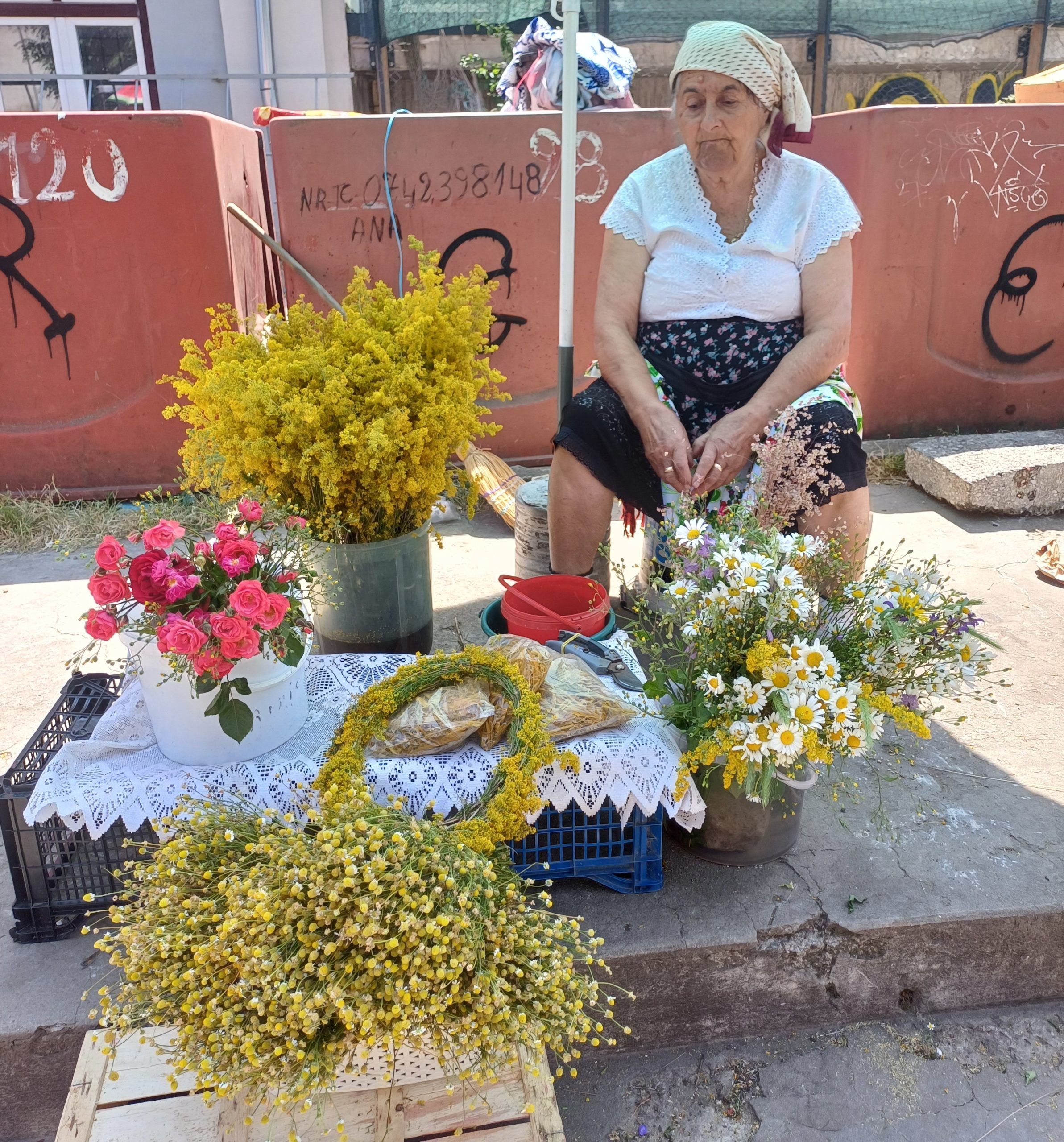
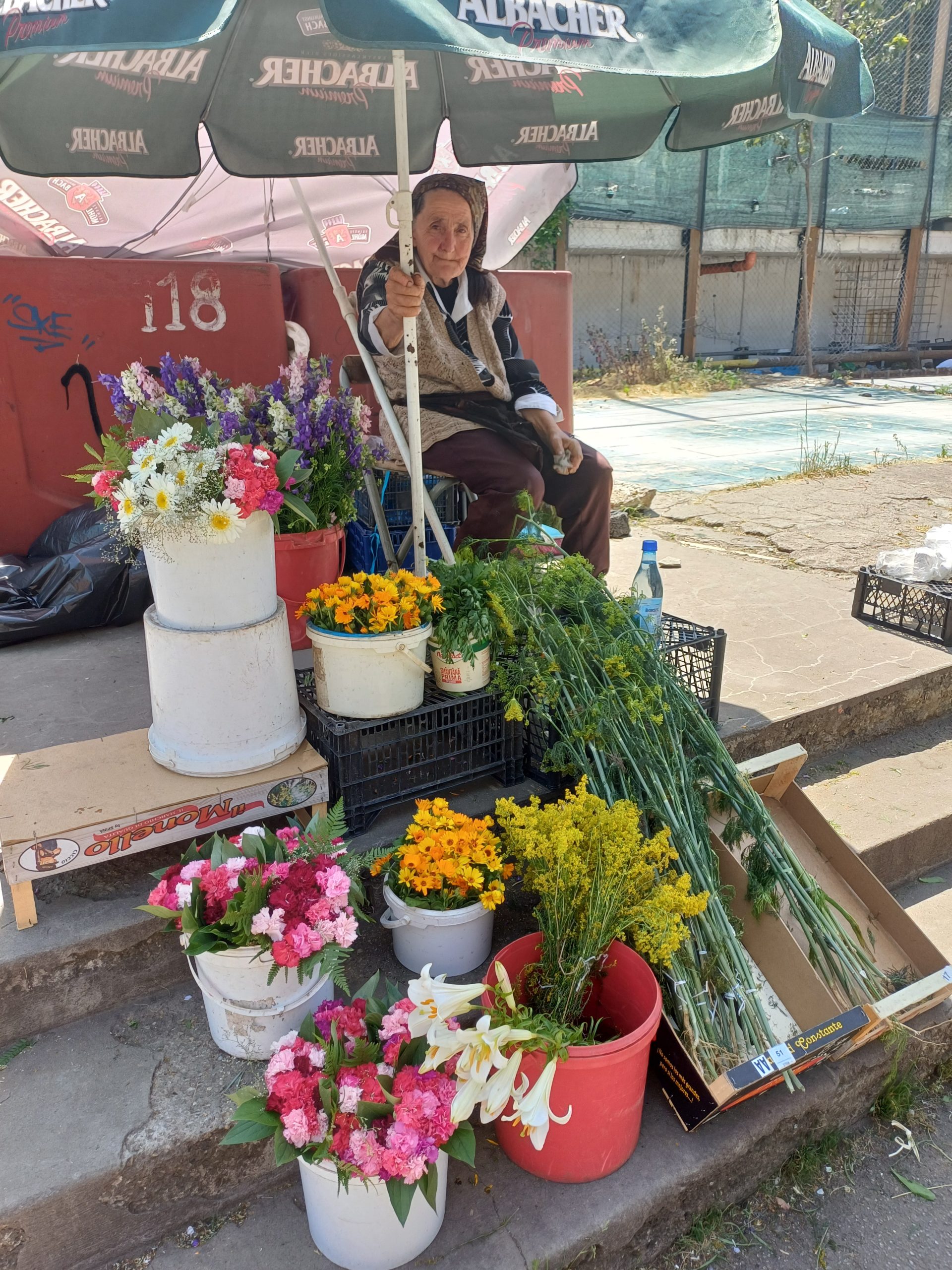
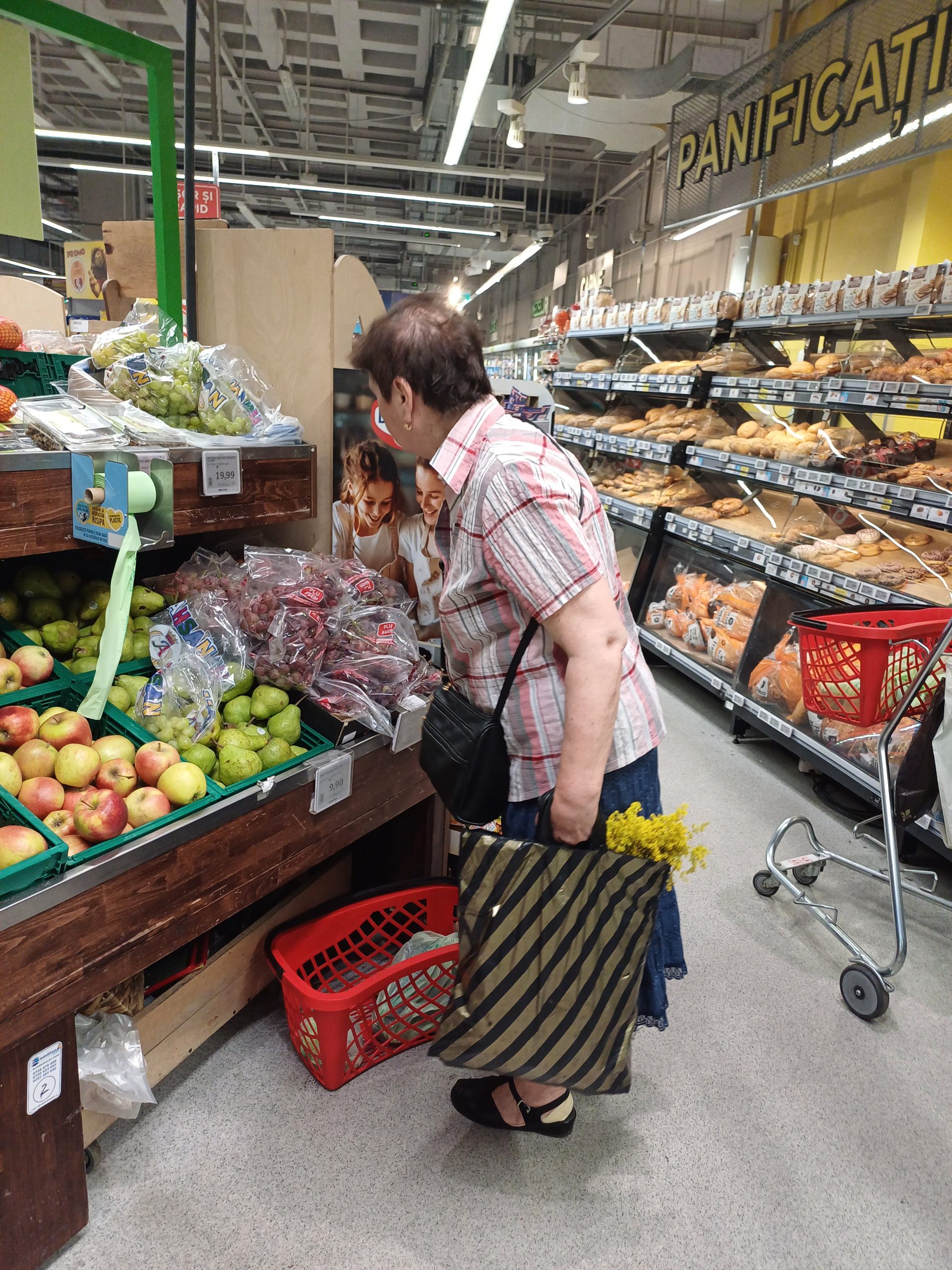
In the last decade, the celebration of Sânziene has gained widespread popularity in Romanian cities (also due to its association with the Universal Day of the Romanian Blouse), and bouquets and crowns of Galium verum L. are now sold in markets and on city streets.
Although urban dwellers no longer follow the old rituals to the letter and prefer to place these flowers in vases to enjoy their delicate scent, the enchantment of this celebration seems to fascinate more and more people each year.
Ritual Echoes: Saint John’s Night in other European traditions
Similar rituals are documented in other parts of Europe, many of which are part of the European Route of Historic Pharmacies and Medicinal Gardens, including Spain. In many Galician communities, during the night of June 23rd to 24th, people prepare the traditional Saint John’s bouquet, used to protect against meigas (witches) and evil spirits, as it is believed that on this magical night they cross the threshold from the beyond into our world.
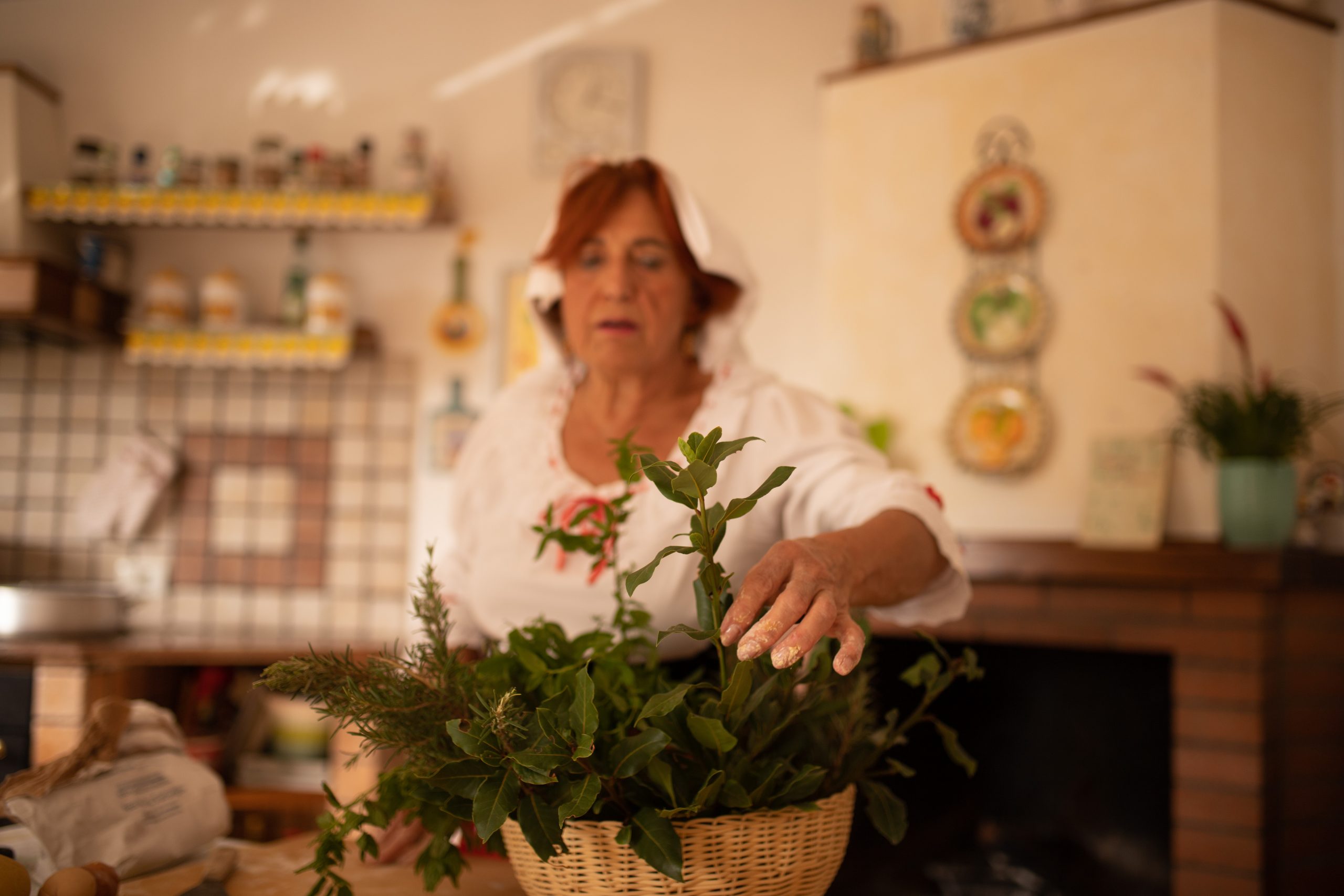
The bouquet is made from the seven herbs of Saint John: mallow (Malva sylvestris L.), rosemary (Salvia rosmarinus Spenn.), fern (Dryopteris filix-mas L.), fennel (Foeniculum vulgare Mill.), lemon verbena (Aloysia citriodora Paláu), broom (Cytisus scoparius L.), and the most important of all, St. John’s wort (Hypericum perforatum L.), which has been highly valued and widely used in pharmacopoeia since ancient times.
Voices from the Communities: the SPICES Project 2024–2025
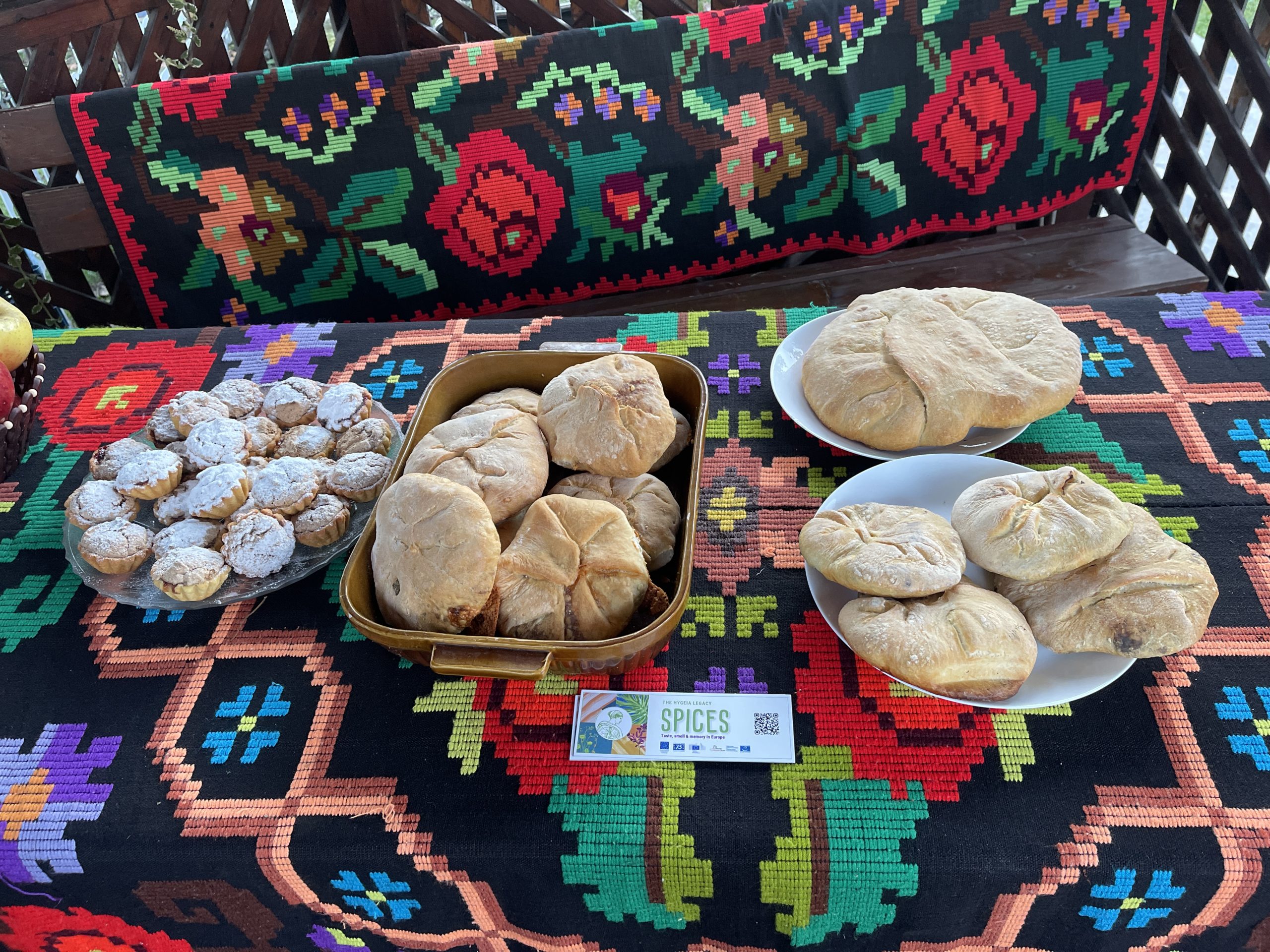
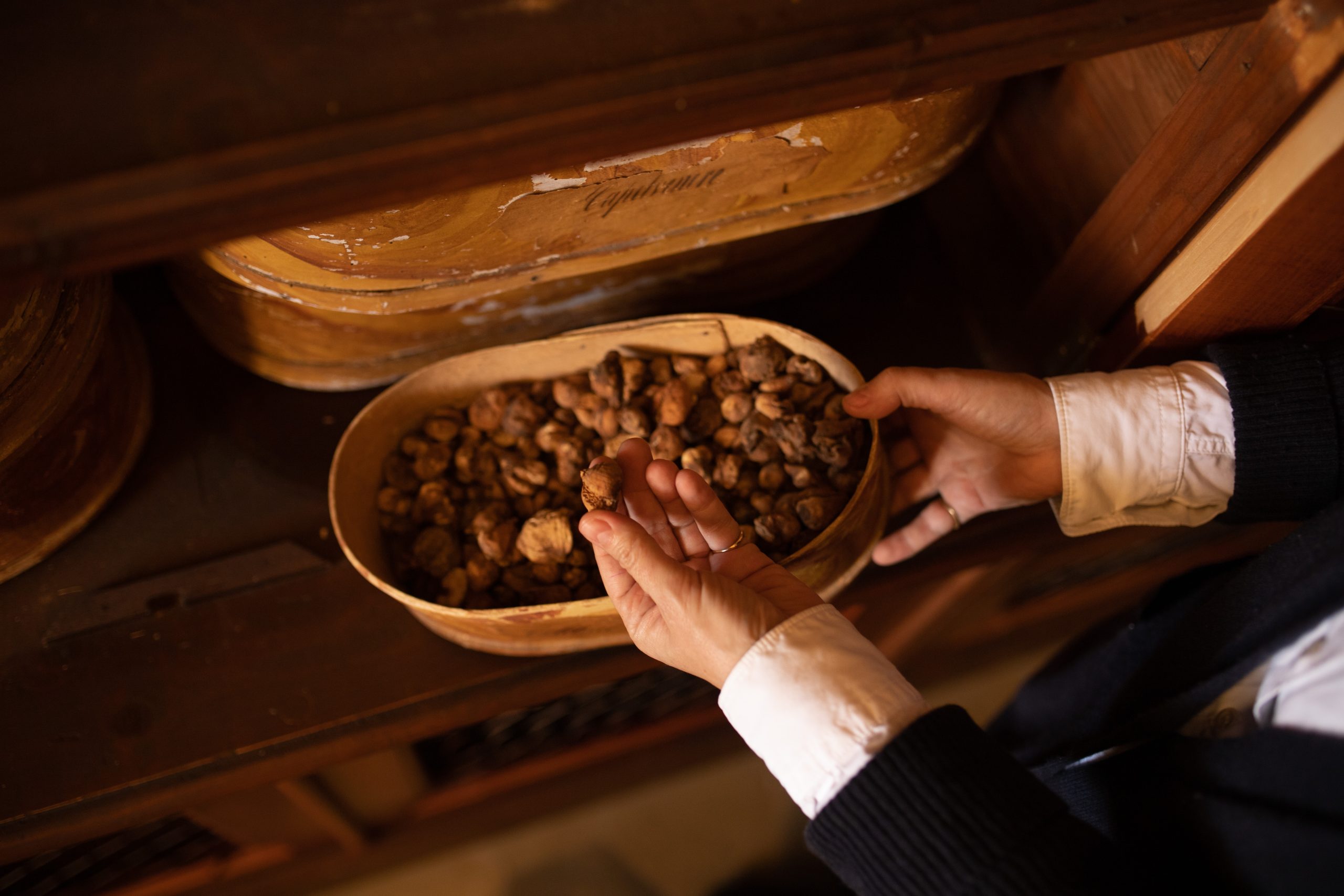
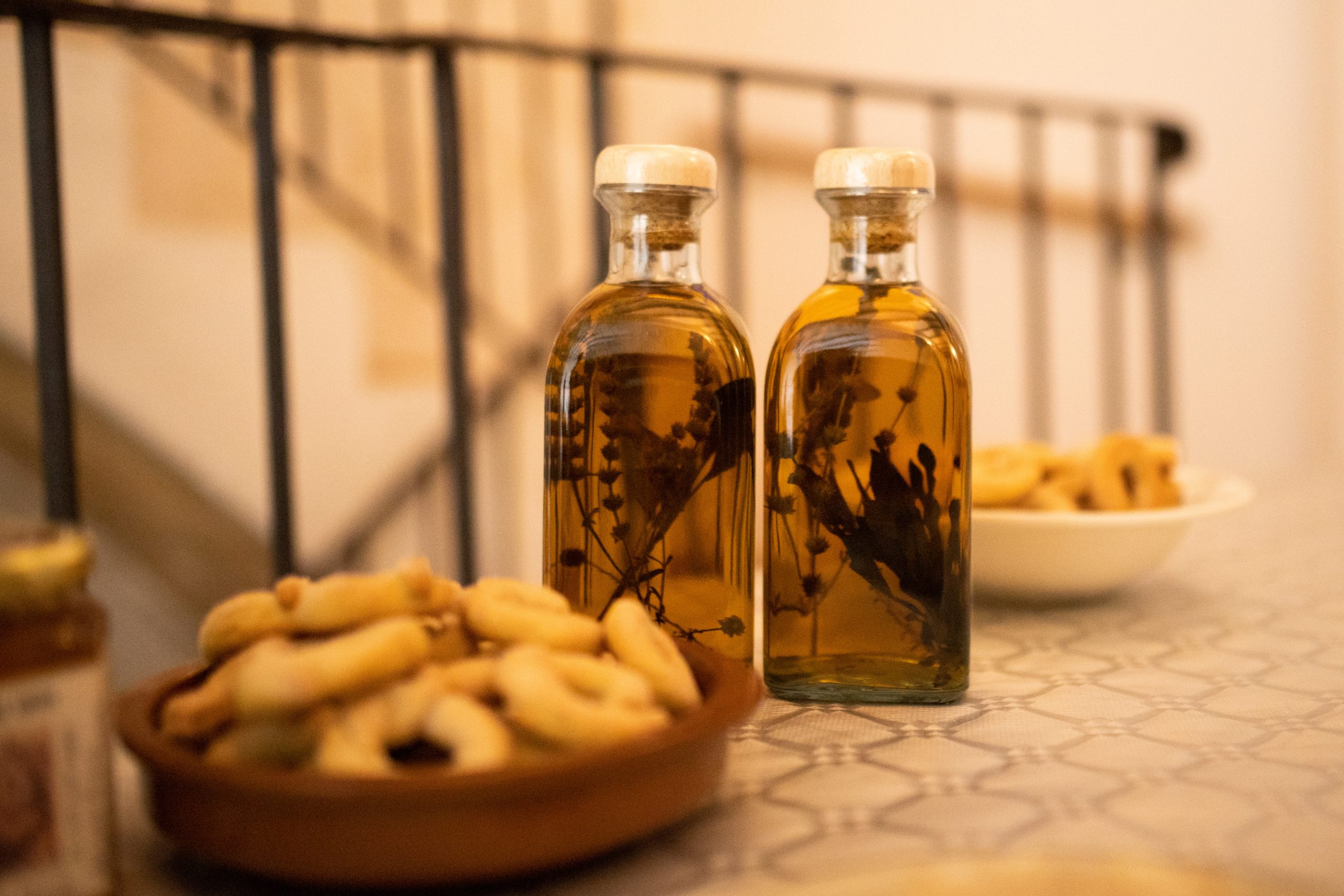
As part of the European project Sensory Landscapes of Hygeia in Europe. Act I: Spices (Taste, Smell and Memory) – Acronym: Hygeia Legacy-Spices, promoted by Aromas Itinerarium Salutis with the joint support of the Council of Europe and the European Union, and within the framework of the European Heritage Days, stories, memories and traditional practices linked to the ritual and therapeutic use of plants were collected in various local communities of the Route.
During the field interviews, two particularly meaningful celebrations emerged: the Sânziene festival and Saint John’s Night, both associated with the summer solstice and the gathering of herbs such as St. John’s wort (Hypericum perforatum L.), valued for its healing and symbolic properties.
The documentary SPICES: Tales of Ancient Medicinal and Culinary Legacies, produced as part of the project and premiered during the AIS Forum 2025, captures these voices and traditions as a living expression of Europe’s sensory and botanical heritage.